What Makes ALYN Different
Rehabilitation That Sees the Whole Person
I recently spent four packed days at ALYN Hospital—meeting with hospital staff, department heads, doctors, therapists, and innovators and seeing firsthand the extraordinary work taking place every day. I wish I could somehow paint a picture that fully captured the experience, because what I witnessed was deeply moving.
I came away with a much clearer understanding of what makes ALYN so unique. It is not simply the expertise of its doctors or the sophistication of its technology. It is something deeper: ALYN approaches rehabilitation holistically, celebrating the diversity of people, perspectives, and families and recognizing that successful rehabilitation must address the whole person—and the whole family.
No one works alone
At ALYN, rehabilitation is fundamentally multidisciplinary. Whatever the injury, diagnosis, or challenge, the approach begins with bringing together the right people and perspectives.
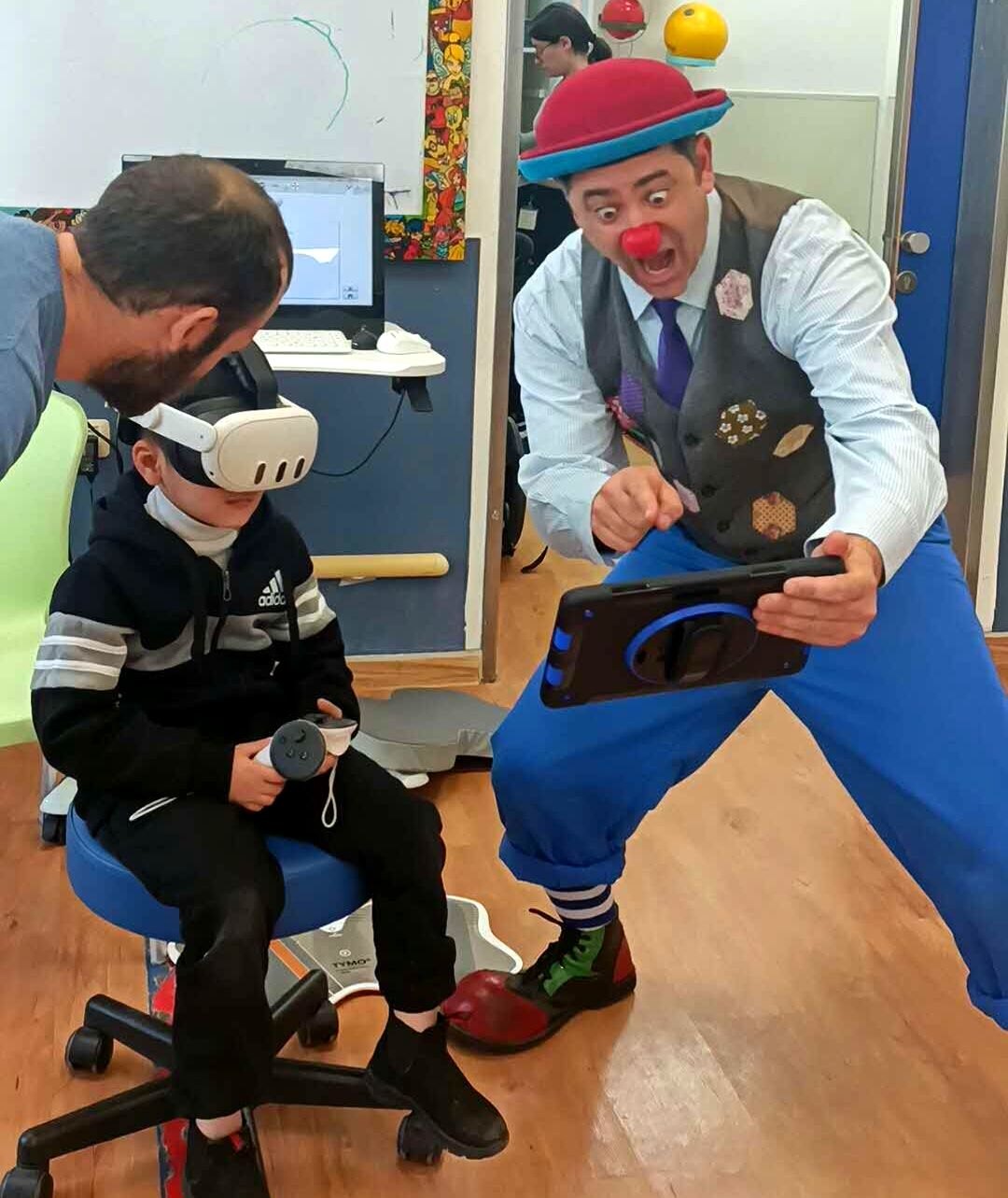
A physician may bring deep expertise in a particular medical specialty, but that doctor works closely with the department head and a team that can include physiotherapists, occupational therapists, psychologists, social workers, nurses, speech therapists, educators, and others. Together, they develop an approach that reflects the child’s individual needs and goals.
What struck me most was the absence of ego. No expertise exists in isolation, and no title is too important to listen to someone else.
The result is a culture in which everyone has something to contribute—and where the child benefits from the collective wisdom of the team.
Diversity is part of the care
This same philosophy extends to how ALYN understands the families it serves.
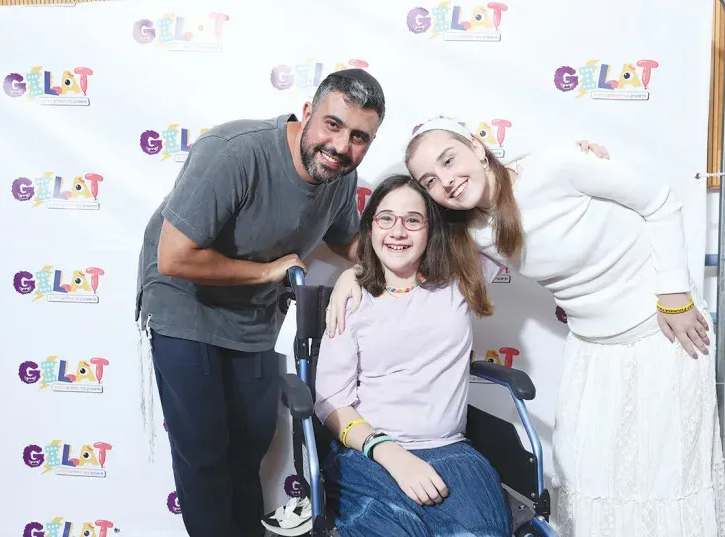
ALYN has long recognized that cultural differences can profoundly affect how families experience healthcare: how they communicate with providers, understand illness and rehabilitation, make decisions, observe religious practices, and participate in treatment.
In fact, ALYN was a pioneer in developing cultural competence in Israeli healthcare. Under the leadership of Dr. Maurit Beeri, ALYN developed one of Israel’s first comprehensive programs focused on cultural competence, including staff education, improved translation services, religious accommodations, and changes to hospital practices. That work helped inform Israel’s broader national approach to cultural and linguistic accessibility in healthcare.
Today, Israeli health policy recognizes that patients should be able to access and experience healthcare in ways that respect their language, culture, religion, and identity. The goal is not simply to translate words, but to ensure that people can communicate, understand their care, and participate in decisions with dignity and equity.
At ALYN, this feels less like a policy and more like a fundamental value: difference is something to understand, respect, and incorporate into care.
Rehabilitation means caring for the family, too
Perhaps what moved me most was ALYN’s understanding that when a child experiences a serious injury, illness, or disability, the child is not the only one whose life changes.
The entire family has to adjust to a new reality.
That means rehabilitation cannot stop with the patient.
Parents may need education about their child’s condition and how to support rehabilitation at home. They may need psychological and social support. They may be facing financial pressures, changes in work or family responsibilities, cultural considerations, or uncertainty about what the future will look like. ALYN’s social work and psychological teams recognize these realities and work with families throughout the rehabilitation process—not simply as visitors to the hospital, but as essential partners in their child’s recovery. ALYN’s own description of its social work approach emphasizes seeing the child as part of a family and community and supporting that family before admission, throughout rehabilitation, and after discharge.
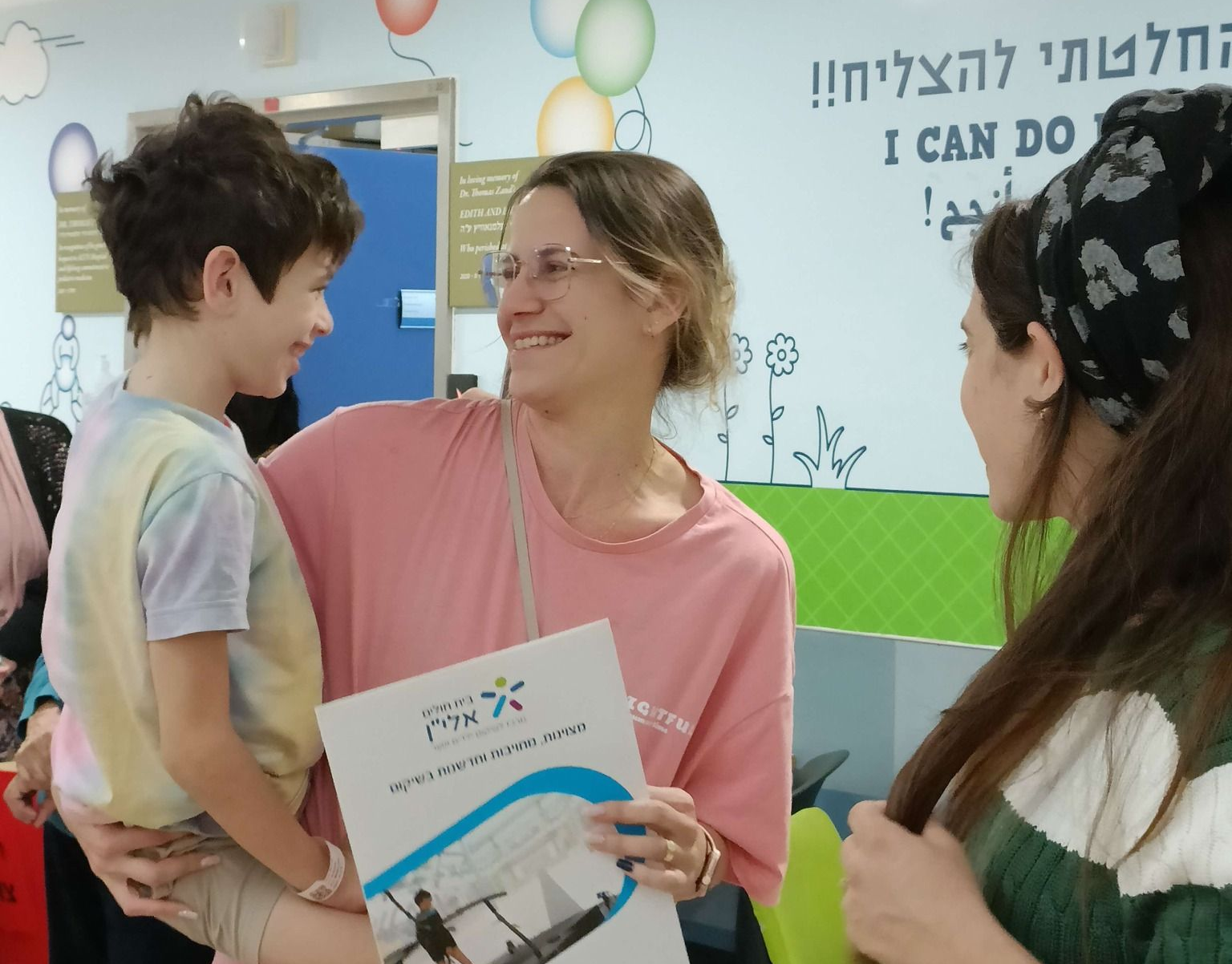
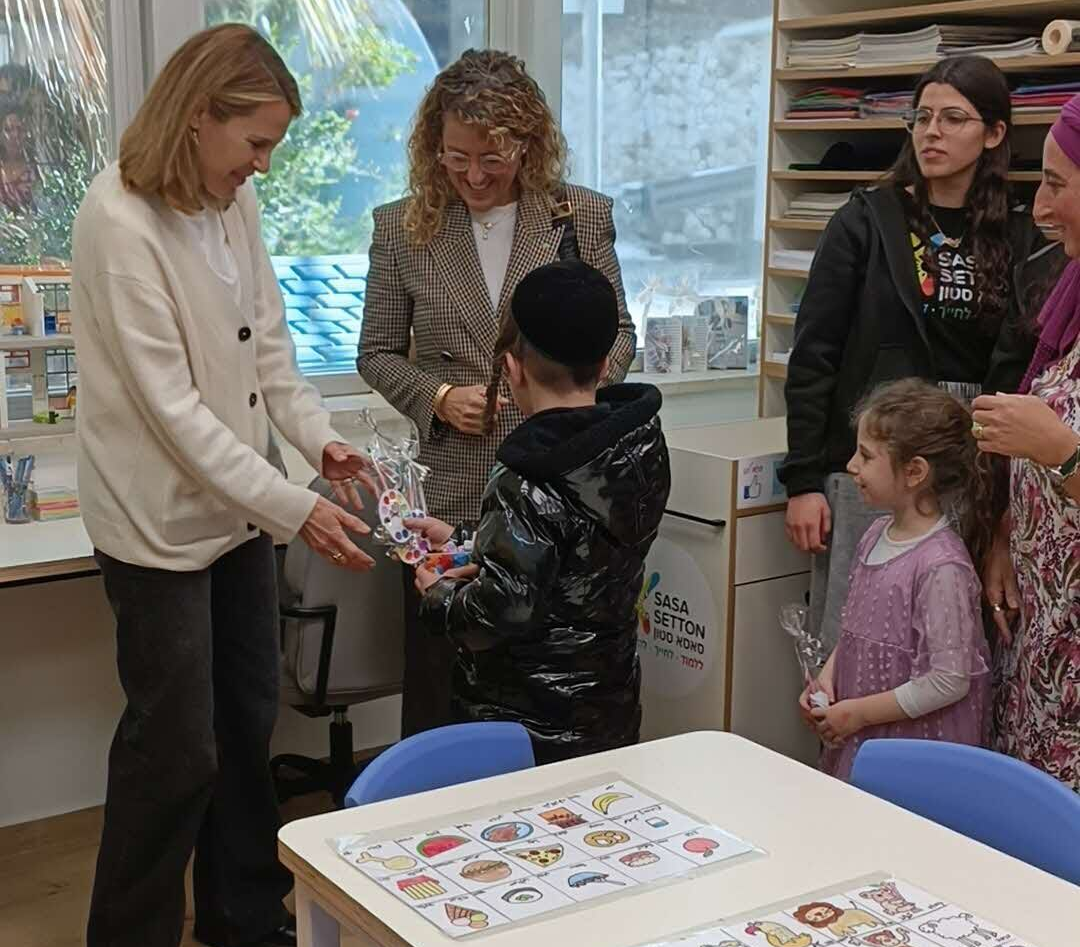
This is what I came to understand during my four days at ALYN: rehabilitation is not about fixing one part of a child. It is about helping a child—and a family—build a meaningful life around whatever challenges they face.
And that requires more than medicine.
It requires expertise, collaboration, humility, creativity, cultural understanding, and an unwavering belief that every child and every family is different.
That is ALYN.

